
The short version
A useful starting point
Consider Carrd for a focused one-page offer, profile or signup destination. Keep the offer, external destinations and form routing up to date.
A good fit if…
A focused one-page offer, profile or signup destination.
Look elsewhere if…
You need a conventional blog, a large content hierarchy or a store managed within the same publishing system.
Carrd is a responsive one-page site builder with templates. Custom domains, forms and embeds are among its Pro capabilities; it is a different starting point from a conventional multi-page publishing system. This makes it a candidate for a focused one-page offer, profile or signup destination. The sections below connect those features with a task you can try using your own material.
What the product documentation confirms
Confirm the Pro tier needed for your domain, form or embedded service. Keep the offer, external destinations and form routing up to date. It may not be the right purchase if you need a conventional blog, a large content hierarchy or a store managed within the same publishing system.
Start with one decision for the visitor
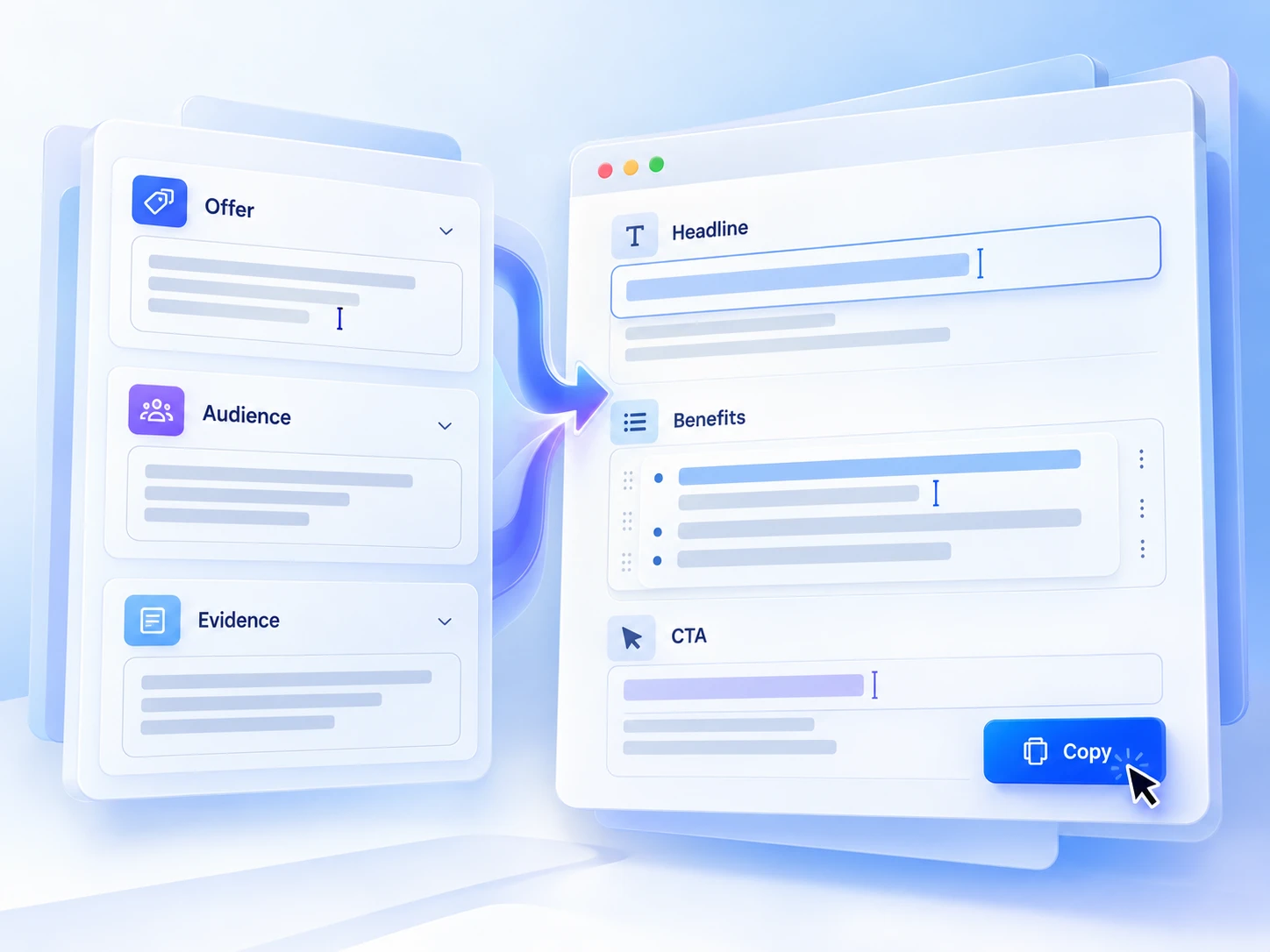
For a hypothetical example, imagine an independent designer offering a fixed-scope presentation review. The page needs to explain who the review is for, what material the client submits, what the designer will deliver and how to enquire. It does not need to tell the designer’s entire professional story. That constraint gives you a useful test: can each section help someone decide whether to make an enquiry?
Draft the offer in plain language before choosing a template. Put the essential proposition first, followed by scope, process, relevant evidence and the action. Use genuine work samples only where you have permission, and explain their relevance rather than treating them as decoration. If important exclusions affect suitability, place them alongside the offer instead of hiding them at the end.
Separate page-building effort from enquiry handling
Templates can provide a starting structure, but they cannot decide what your offer includes. The setup work you should budget for includes writing, selecting appropriate visuals, checking section order and deciding how enquiries will be handled. A useful comparison with your current approach is whether a single page reduces duplicated explanation, not merely whether it looks more polished.
Custom domains, forms and embeds require Pro, according to the available product documentation. Treat those as requirements to investigate rather than incidental extras. If the hypothetical designer needs an enquiry form, list the information genuinely needed to assess a project. Then verify the relevant plan, submission handling and any proposed connection before relying on that workflow. The published product details do not establish those operational details.
Run a small content-and-workflow trial
Begin with a disposable draft rather than a complete redesign. Choose a template as a starting point and work through the actual offer copy, including awkward details such as exclusions and submission requirements. The point is to discover whether the page structure serves the offer before investing in visual refinement or committing to a wider publishing setup.
- Write one sentence stating the intended visitor, the service and the next action.
- Arrange the essential content in a single reading sequence, removing sections that serve a different offer.
- Review the draft at narrow and wide screen sizes, checking readability and the visibility of important qualifications.
- Ask a colleague to explain the offer back to you, then investigate and test the intended enquiry route before launch.
These checks are a proposed trial, not reported test results. Judge the draft by questions: can a reader identify the deliverable, understand what is excluded and find the action without guessing? A responsive format is useful, but it does not remove the need to inspect your own content at different sizes.
Consider the maintenance burden and the next publishing job
A single offer gives you a bounded maintenance task: keep scope, examples, process and contact arrangements consistent. Review the page whenever the service changes. Adding every new idea to the same page can weaken that focus, so distinguish necessary explanation from material that belongs to a different marketing task.
If your next priority is a conventional multi-page blog, Carrd’s stated format is a reason to reassess the choice. If the immediate job remains one self-contained offer, proceed with the small trial and verify the Pro requirements before committing. The sensible outcome is a publishing setup matched to a defined task, not a claim that one builder is universally best.
Strengths
- A responsive page with a defined offer and enquiry route.
- Carrd is a responsive one-page site builder with templates.
Limitations
- Keep the offer, external destinations and form routing up to date.
- Confirm the Pro tier needed for your domain, form or embedded service.